
- All
- Product Name
- Product Keyword
- Product Model
- Product Summary
- Product Description
- Multi Field Search

Views: 0 Author: Site Editor Publish Time: 2025-08-13 Origin: Site


In the pharmaceutical industry, even the smallest particle can lead to catastrophic consequences. How can we ensure a sterile environment that protects product quality and patient safety? The answer lies in clean room design.
Clean room design plays a crucial role in controlling contamination, making it essential for maintaining high standards in pharmaceutical manufacturing. A well-designed clean room not only ensures the safety of the products but also meets stringent regulatory requirements.
In this post, we'll explore how effective clean room design impacts contamination control and how it contributes to the overall success of pharmaceutical manufacturing processes.
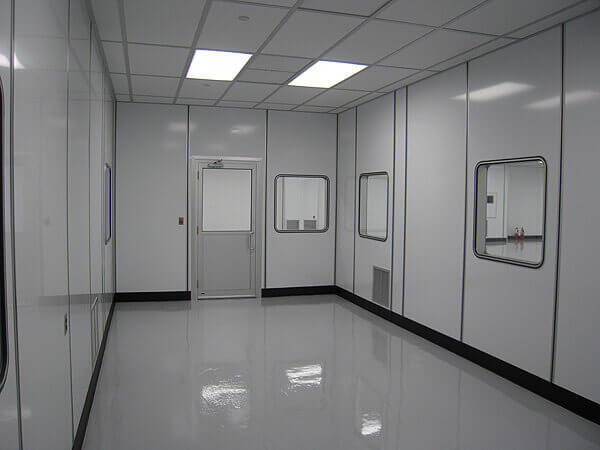
A clean room is a controlled environment designed to minimize the presence of contaminants, such as dust, airborne microbes, and chemical vapors. In pharmaceutical manufacturing, these rooms are critical to ensuring the integrity of drugs and medical devices.
Clean room design follows specific standards to maintain air quality and ensure safety. The most widely recognized standard is ISO 14644-1, which sets guidelines for clean room classification. This standard measures air cleanliness by the number and size of airborne particles per cubic meter.
Pharmaceutical clean rooms are equipped with key features, such as:
Air filtration: HEPA and ULPA filters remove particles from the air, ensuring a contaminant-free environment.
Pressure control: Positive pressure helps prevent contaminants from entering the room.
Temperature and humidity control: Maintaining optimal conditions for drug stability.
Clean room classification is essential for maintaining controlled environments. ISO class specifications range from Class 1 (the cleanest) to Class 9. For example:
| ISO Class | Max Particles/m³ (≥0.5 µm) | Typical Application |
|---|---|---|
| ISO 1 | 10 | Semiconductor fabrication |
| ISO 5 | 3,520 | Aseptic drug manufacturing |
| ISO 7 | 352,000 | Biopharmaceutical production |
Each class has specific limits on particle concentration. Higher cleanliness levels, such as ISO Class 5, are vital for ensuring drug sterility and preventing contamination during production.
In pharmaceutical manufacturing, even the smallest particle can affect the quality of the final product. Clean room design is essential for ensuring a contamination-free environment and maintaining the safety and integrity of pharmaceuticals.
Airborne contaminants are a significant threat to the production of pharmaceutical products. HEPA (High-Efficiency Particulate Air) and ULPA (Ultra-Low Penetration Air) filters play a vital role in maintaining air quality. These filters can capture up to 99.99% of particles as small as 0.3 microns, ensuring the air remains clean and safe for sensitive processes.
Air filtration systems are designed to remove particles from the air, preventing contamination during manufacturing. Without effective filtration, contaminants could easily compromise the sterility of drugs and medical devices.
Environmental factors like temperature and humidity directly affect the stability of pharmaceutical products. Even slight fluctuations can lead to degradation or instability in sensitive materials.
Clean room design includes features like precise temperature and humidity control to ensure optimal conditions for product integrity. By maintaining a constant environment, it minimizes the risk of product damage and ensures consistent manufacturing conditions.
Maintaining positive air pressure is essential in clean room design to keep external contaminants out. Positive pressure ensures that air flows out of the clean room rather than being drawn in from the surrounding environment.
Unidirectional airflow is another critical aspect of clean room design. This type of airflow directs the air in one direction, preventing cross-contamination between different areas of the clean room and minimizing the risk of contamination spreading during the manufacturing process.
To maintain a contaminant-free environment in pharmaceutical manufacturing, clean room design must incorporate specific principles. These principles are essential for safeguarding product integrity and ensuring that the environment meets strict regulatory standards.
HEPA (High-Efficiency Particulate Air) and ULPA (Ultra-Low Penetration Air) filters are the backbone of clean room air filtration systems. These filters remove harmful particles and pathogens from the air, ensuring that the environment remains sterile. HEPA filters can capture 99.97% of particles as small as 0.3 microns, while ULPA filters provide even higher filtration efficiency, capturing up to 99.999% of particles.
In pharmaceutical clean rooms, these filters are vital for removing airborne contaminants, preventing potential damage to products and ensuring safety during manufacturing.
One of the critical components of clean room design is maintaining positive pressure. This design strategy ensures that air flows out of the clean room, preventing outside contaminants from entering. Positive pressure works by ensuring the room's air pressure is higher than that of the surrounding areas, which is key to maintaining a sterile environment.
Airflow dynamics play a crucial role in clean room design. Proper airflow management helps ensure that air travels in the right direction, reducing the chances of contamination spreading between different areas of the clean room.
Temperature and humidity control are essential in pharmaceutical manufacturing. Fluctuations in these environmental factors can negatively affect the stability of pharmaceutical products, especially those that are sensitive to heat or moisture. Clean room design incorporates precise systems to regulate both temperature and humidity, ensuring a stable and controlled environment.
Design techniques such as HVAC systems, humidity sensors, and cooling systems are employed to maintain the desired conditions. Stability is paramount in pharmaceutical manufacturing to prevent issues such as chemical degradation, moisture absorption, or product instability.
Clean room design plays a significant role in preventing contamination during pharmaceutical manufacturing. By carefully selecting materials, managing employee behavior, and implementing strict protocols, contamination risks can be minimized.
The materials used in clean room construction are crucial for maintaining a contamination-free environment. Easy-to-clean and contaminant-resistant materials help prevent dirt, bacteria, and other harmful particles from accumulating. Surfaces that are smooth, non-porous, and resistant to chemicals, like stainless steel or specialized coatings, are commonly used in pharmaceutical clean rooms. These materials allow for effective cleaning and maintenance, ensuring that the clean room remains sterile.
When it comes to clean room designs, modular and conventional systems offer different advantages. Modular clean rooms are flexible and easier to adjust or expand, while conventional designs are more permanent and customizable for specific needs. Both approaches play important roles in contamination control, but the choice depends on the facility's long-term goals and regulatory needs.
Personnel behavior inside a clean room can directly influence contamination levels. Simple actions, like touching surfaces or improper handling of materials, can introduce contaminants. For this reason, gowning protocols and hygiene standards are critical components of clean room design. Employees must wear sterile clothing, including coveralls, gloves, masks, and shoe covers, to prevent particles from leaving their bodies and contaminating the environment.
Strict gowning protocols ensure that all personnel entering the clean room are properly equipped and minimize the risk of contamination. Regular training and adherence to these hygiene standards are essential for maintaining the integrity of the clean room environment and preventing cross-contamination between different production areas.
Real-world applications highlight the vital role of clean room design in maintaining product quality and preventing contamination in pharmaceutical manufacturing. By implementing advanced design strategies, companies are ensuring the integrity of their products and compliance with regulatory standards.
In drug production, clean room design plays a key role in minimizing contamination risks. For example, a global pharmaceutical company recently upgraded its clean room systems by incorporating modular designs with high-efficiency HEPA filters and automated environmental controls. These design upgrades helped significantly reduce particulate contamination during the production of sterile injectable drugs.
By maintaining ISO Class 5 conditions, the facility ensured that airborne contaminants were removed efficiently, improving the sterility of their products. As a result, the company saw a reduction in product rejections and costly recalls, which ultimately enhanced both product quality and operational efficiency.
In the biopharmaceutical sector, clean room design is even more critical due to the sensitive nature of biological materials. For instance, in vaccine production, clean rooms are designed to prevent contamination that could alter the efficacy of vaccines. These clean rooms use ultra-low particulate air (ULPA) filters to ensure even smaller particles are removed, creating a controlled environment that minimizes the risk of microbial contamination.
A biopharma company producing COVID-19 vaccines used a high-level clean room design with stringent air pressure controls, unidirectional airflow, and real-time environmental monitoring. These design strategies ensured that no airborne particles entered the production area, guaranteeing the quality and safety of the vaccines produced. The result was a successful rollout of a high-volume, high-quality vaccine while maintaining regulatory compliance.
Designing a clean room for pharmaceutical manufacturing involves complex considerations to ensure it meets the highest standards for contamination control. However, there are several common challenges that can arise during the clean room design process, leading to potential contamination risks and regulatory hurdles.
One of the most frequent challenges in clean room design is poor airflow management. Inadequate airflow can cause contaminants to accumulate or move in undesirable directions. For example, improper placement of air vents or filters can result in stagnant zones, where particles collect. This design flaw increases the likelihood of contamination, especially during critical manufacturing processes.
Another issue is insufficient sealing of walls and ceilings, which allows airborne particles from outside the clean room to enter. If this is not properly addressed, it can lead to production downtime, as the room must be cleaned and re-certified. In some cases, these design issues can lead to costly product recalls, especially if the contamination results in compromised drug quality.
Pharmaceutical clean rooms must meet strict regulatory standards, such as FDA, GMP, and ISO guidelines. Ensuring compliance can be a challenge, particularly when clean room designs fail to adhere to these standards. For instance, failure to maintain the required particle limits in the air can result in non-compliance, risking significant penalties or loss of certification.
The importance of certification and compliance cannot be overstated. Maintaining a clean room that continuously meets regulatory requirements is an ongoing challenge. It involves regular testing, validation, and certification to ensure that the design remains effective over time. If a design flaw goes undetected and leads to non-compliance, it can disrupt operations and delay product releases, affecting both profitability and safety.
To ensure effective contamination control, clean room design must be adaptable and maintain high standards over time. Implementing best practices for flexibility, scalability, and ongoing maintenance is essential for keeping a clean room compliant with industry regulations and ensuring the safety and quality of pharmaceutical products.
As pharmaceutical production needs evolve, modular designs offer the flexibility to adapt to new requirements. By using modular clean room systems, facilities can easily expand or reconfigure their space to accommodate changing production volumes or new product lines. This adaptability is particularly beneficial in a rapidly evolving industry, where new regulations or technologies may require quick modifications.
In addition to flexibility, designing for future upgrades is crucial. The pharmaceutical industry is constantly evolving, and clean room designs must be able to accommodate upgrades to meet new regulatory standards or advances in technology. Whether it's improving air filtration systems or upgrading temperature and humidity controls, a well-designed clean room can evolve to meet future challenges without requiring costly overhauls.
Routine maintenance is vital for ensuring the continued efficacy of a clean room. Regular inspections and cleaning of air filtration systems, HVAC units, and surfaces help maintain optimal cleanliness levels. Maintaining these systems prevents the buildup of contaminants and ensures that the clean room remains effective in controlling contamination risks.
Additionally, validation and requalification procedures are essential for sustaining high clean room standards. These procedures ensure that the clean room continues to meet the required cleanliness levels and complies with regulatory standards. Routine requalification helps identify any potential issues early, reducing the risk of non-compliance or contamination during production.
As the pharmaceutical industry evolves, clean room design is continuously advancing to meet new challenges in contamination control. Future innovations promise smarter, more efficient, and sustainable designs that improve both operational effectiveness and environmental impact.
One of the most significant trends in clean room design is the integration of smart systems for real-time monitoring and management. These systems use sensors to track air quality, temperature, humidity, and particle count. By continuously collecting data, they allow for instant adjustments to maintain optimal conditions, ensuring that contamination risks are minimized.
Additionally, advancements in air filtration technology are playing a key role in improving clean room efficiency. Next-generation HEPA and ULPA filters are being developed with enhanced capabilities to capture even smaller particles, improving the overall air quality. In the future, we can expect more advanced filtration systems capable of responding dynamically to changes in air quality, ensuring that clean rooms remain compliant with the highest standards.
As environmental concerns grow, energy-efficient and eco-friendly design practices are becoming a priority in clean room development. New HVAC systems are being designed to optimize energy usage while maintaining precise environmental conditions. Additionally, modular clean rooms offer energy-saving benefits by reducing the need for extensive heating or cooling systems.
The future of sustainable clean room operations will see the integration of renewable energy sources, such as solar power, and energy recovery systems. These systems will not only reduce the carbon footprint of pharmaceutical manufacturing but also cut long-term operational costs, making clean rooms more sustainable and efficient.
Clean room design is crucial in controlling contamination in pharmaceutical manufacturing. By ensuring precise air filtration, pressure control, and temperature regulation, it directly impacts product safety and quality.
Continuous advancements in clean room design lead to improved efficiency, enhanced compliance, and better contamination control. As industries evolve, brands like Amber offer high-quality solutions tailored to meet these growing demands, ensuring superior product performance and regulatory compliance.
The best pharmaceutical cleanroom design incorporates advanced air filtration systems, like HEPA and ULPA filters, to remove airborne contaminants. Cleanroom HVAC design for pharmaceuticals ensures optimal airflow and temperature control. Additionally, strict cleanroom gowning protocols and environmental monitoring are essential to maintain a sterile environment. The design must align with ISO 14644 pharmaceutical cleanrooms standards to ensure compliance and prevent contamination during production.
Clean room classifications, as per ISO 14644, define the maximum particle levels allowed in the air. Higher classifications (like ISO Class 5) ensure lower contamination levels, which are crucial for cleanroom contamination control in sensitive pharmaceutical processes. These classifications influence the cleanroom air filtration systems and design choices, ensuring the controlled environment meets production requirements.
Precise temperature and humidity control in cleanroom design is vital for maintaining the stability of pharmaceutical products. Fluctuations can degrade the quality and efficacy of drugs. Cleanroom contamination control strategies ensure optimal environmental conditions are maintained, contributing to cleanroom validation in pharmaceutical manufacturing and product consistency.
